The Physiology of Post-Procedure Care: Thermal Regulation and Barrier Dynamics in the First 48 Hours
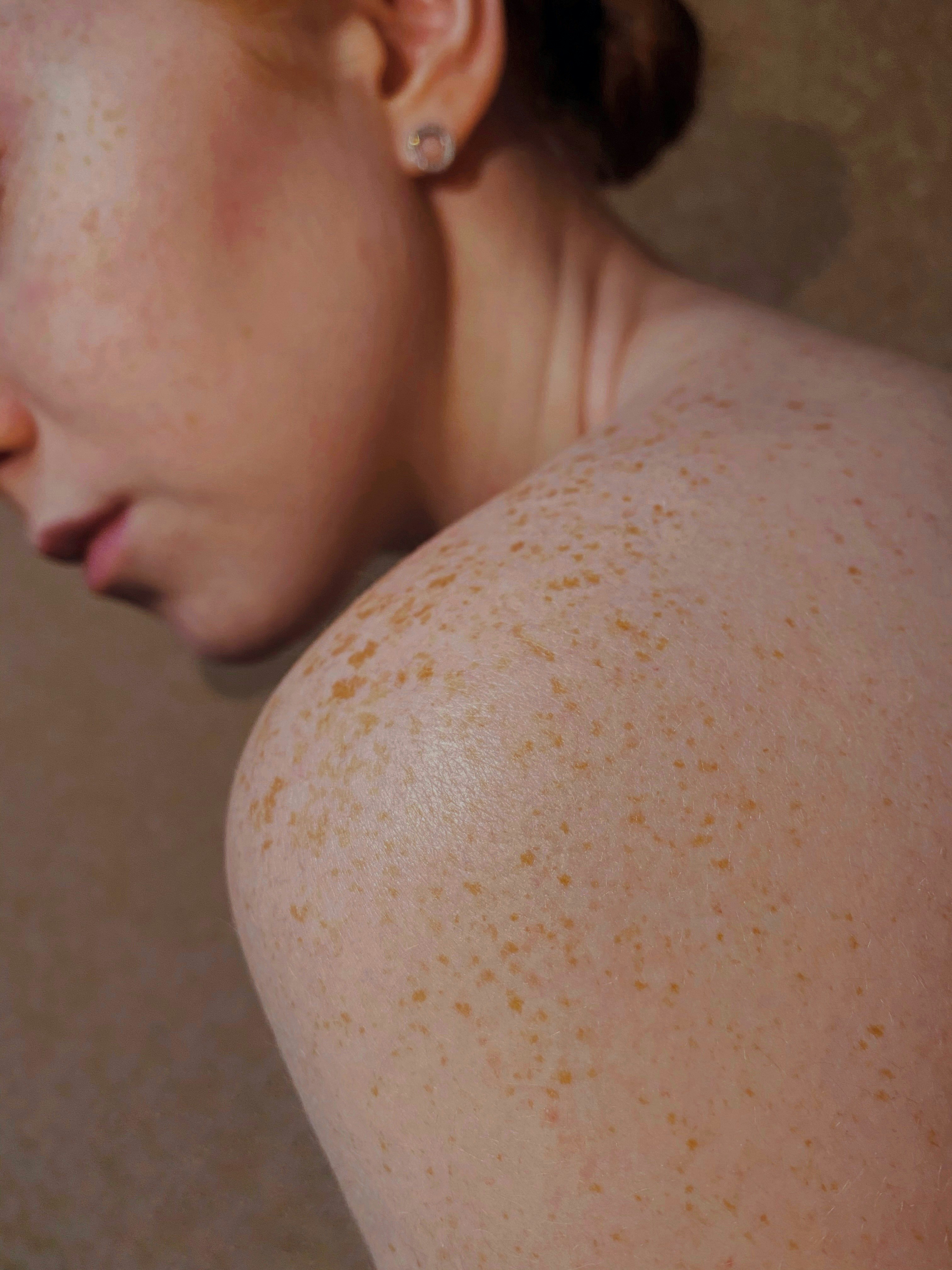
The success of a clinical skin treatment depends heavily on the physiological conditions maintained during the early recovery window. During the first 48 hours following an aesthetic procedure, the stratum corneum is compromised and the dermal tissue undergoes acute inflammatory signaling. How you manage surface temperature and hydration during this brief phase directly influences tissue remodeling and overall treatment outcomes.
Thermal Trapping and Occlusion Risks
Immediately after energy-based treatments or micro-channeling, the tissue exhibits localized heat accumulation and increased vascular permeability. A common mistake in post-procedure management is the immediate application of heavy, wax-based ointments or rich occlusive lipid barriers.
While occlusives are traditionally used to prevent moisture loss, applying dense petrolatum or wax formulations right after a procedure traps residual thermal energy within the tissue. This sustained elevation in skin temperature prolongs inflammatory cascades, exacerbates erythema, and heightens the risk of post-inflammatory hyperpigmentation.
Managing Trans-Epidermal Water Loss (TEWL)
While heat needs to dissipate freely, the skin simultaneously faces a severe spike in trans-epidermal water loss due to barrier disruption. The tissue requires immediate, high-volume hydration, but it must be delivered without suffocating open channels or introducing comedogenic compounds.
During this initial window, skin responds best to non-occlusive, lipid-free hydration vectors. Biomimetic humectants and aqueous membrane systems supply necessary moisture to the extracellular matrix without forming a thermal seal over the epidermis. This approach stabilizes water levels, calms local histamine responses, and supports comfortable barrier recovery.
Establishing an Optimal Recovery Environment
A successful post-care protocol balances two physiological requirements:
Uninhibited Thermal Dissipation: Allowing tissue heat to escape naturally during the initial acute inflammatory phase.
Targeted Aqueous Hydration: Supplying pure, non-comedogenic moisture to control TEWL and support natural cellular turnover.
By aligning post-procedure topicals with the actual biological timeline of tissue repair, clinicians can minimize recovery downtime and safeguard long-term treatment results.